

Prostate Exam

Prostate Checks
A prostate check involves visiting your doctor for evaluation of the prostate gland.
The prostate gland is crucial for men’s health and can sometimes develop issues. As men age, it may enlarge, and there is a potential risk of prostate cancer.
The purpose of prostate checks is to evaluate if a man exhibits any symptoms, taking into account risk factors like family history, and ascertain whether additional investigations or regular check-ups are required.
The GPs at Healthcare on Collins are available for prostate checks.
What Does a Prostate Check Cover?
When undergoing a prostate examination, the process reveals information about:
- Prostate cancer – is a malignant condition characterised by the growth of cancerous cells within the prostate gland.
- Erectile problems – specifically erectile dysfunction, which can be related to prostate disease.
- Enlarged prostate – the most common prostate-specific problem. It can be problematic because it can lead to various urinary symptoms and discomfort due to pressure on the urethra.
Fortunately, most men encountered with prostate problems have an enlarged prostate rather than prostate cancer. An enlarged prostate can be debilitating and significantly impact the quality of life. Fortunately, this condition is typically straightforward to manage.
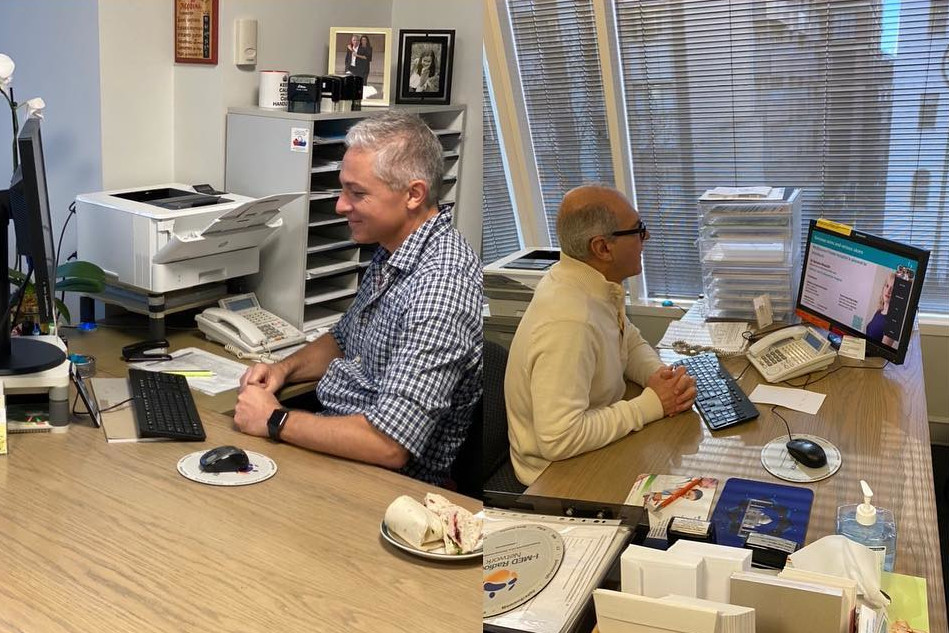
Assessment Process at Healthcare on Collins
When performing a prostate check, there are several tests to consider, based on the individual presentation of the patient.
In all cases, your GP will discuss the advantages and limitations of each method and always seek consent to proceed.
Digital Rectal Exam
This can uncover signs of an enlarged prostate.
Prostate Specific Antigen (PSA)
The PSA is a type of blood test.
The PSA measures the levels of a protein produced by the prostate gland, which can help assess the risk of prostate cancer or other prostate-related issues.
Blood is typically taken from a vein in the arm, similar to most routine blood tests.
Prostate MRI
One outcome of the MRI may be to lower the need for unnecessary prostate biopsies, which is the standard method in terms of diagnosing prostate cancer.

How Often Should Men Have Their Prostate Checked?
Variables such as symptoms, previous tests, and risk factors like family history and ethnic background, which can increase the risk of prostate cancer, should be considered.
For young men who have concerns about their prostate or believe they may be experiencing symptoms, Healthcare on Collins advises consulting with a GP. However, the time between checks is likely to be relatively long, as age is the primary factor influencing prostate disease development.
Healthcare on Collins encourages readers to contact a doctor at any time for any reason.
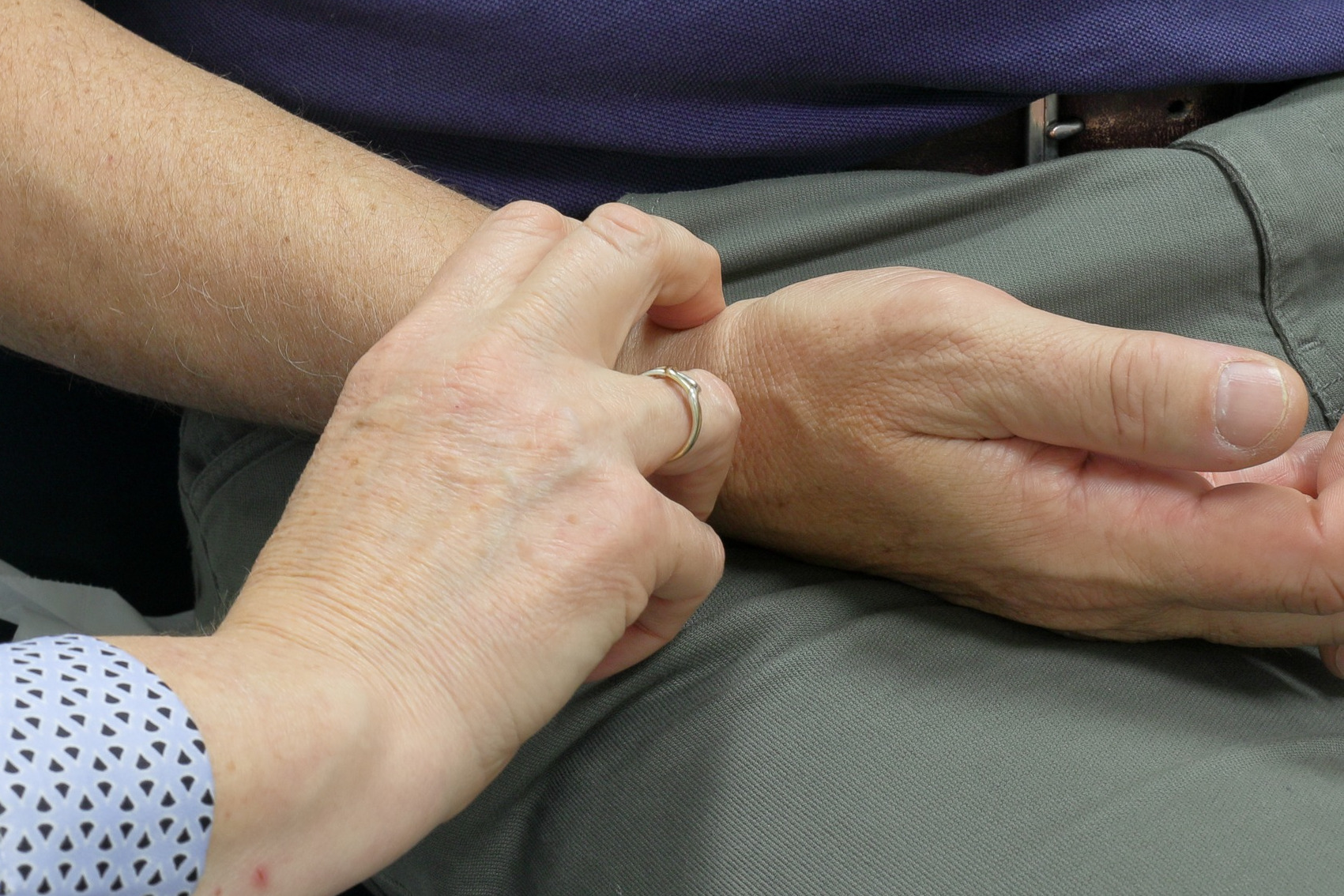
Outcomes of Prostate Checks
The compassionate General Practitioners at Healthcare on Collins will provide patients with guidance throughout the process of prostate examinations, including explaining outcomes and recommending appropriate treatments when necessary.
This may involve:
- Negative result: In this case, no immediate action is necessary. GPs provide guidance to patients on monitoring symptoms and advise them on when to consider another check in the future.
- Intermediate PSA levels: If your GP observe intermediate PSA levels, they may recommend repeating the test within three months. This allows assessment of whether the PSA levels have changed due to lifestyle factors or temporary influences, or if there is a genuine elevation.
- Diagnosis of prostate issues: When there is a notable suspicion of prostate-related problems, your GP may arrange a referral to a urologist for a more in-depth assessment, including possible additional tests. Furthermore, in certain situations, an enlarged prostate diagnosis could be ascertained, prompting conversations about lifestyle adjustments and potential medication options.
Stay Up to Date with Your Prostate Health: Contact Healthcare on Collins
Healthcare on Collins is located in Melbourne CBD and the professional GPs are ready to help.
- We have over 35 years providing men’s health GP services
- Healthcare on Collins believes in continuity of care and we aim for people to see their preferred GP each visit
- Patients experience values of compassionate, comprehensive healthcare of the highest quality
- The GPs provide referrals for any additional healthcare you may need
Please contact Healthcare on Collin’s friendly administration team through the contact page, or make an online booking below.
Call Us
(03) 9650 4284

FAQ
What are the symptoms that men should be aware of that might indicate the need for a prostate check, even if they have no known risk factors?
Prostate-related symptoms typically include:
- Urinary issues: This can involve difficulty starting to pass urine, a weak stream, intermittency (stopping and starting in your stream), and dribbling after urination, potentially leading to wet patches on clothing.
- Increased nighttime urination: If you find yourself getting up more frequently at night to urinate than usual.
- Other indications: Any erectile issues, as well as pain in the back passage or penis, may also be signs of possible prostate disease.
What are the risk factors of prostate cancer?
The risk factors for prostate cancer can be:
- Advancing age, particularly the range of 60+
- Afro-Caribbean or Asian background
- Those with a family history of prostate cancer, particularly first-degree relatives (i.e. father, brother)
- Weight, particularly around the pelvic floor area
- Alcohol use