

Why Preventive Health Checks Are Important for Women at Every Stage of Life
For many women, healthcare is often sought when symptoms begin to affect daily life. While reactive care plays an important role, preventing illness through regular health checks, early detection, and healthy lifestyle choices can help identify potential health concerns before they become more serious.
According to the Australian Institute of Health and Welfare, avoidable deaths before the age of 75 account for approximately 13% of all deaths among women and around 47% of all premature deaths. While not all these deaths can be prevented, many are associated with conditions where earlier detection, appropriate treatment, or risk-factor management may improve health outcomes.
Preventive healthcare isn’t just about screening for disease — it’s about understanding your individual health risks, staying up to date with recommended checks, and making informed lifestyle choices that support your long-term wellbeing.
This article explores how preventative health needs evolve across different life stages, from your 20s through to post-menopause.
Women in Their 20s — Building Strong Health Foundations Early
Your 20s are often a time of independence, study, career building, and lifestyle change. It is also the stage where many women feel healthiest, which can lead to overlooking preventative care. However, this is the most important time to establish practices for preventative health checks for women. Here are some recommended checks for women in their 20s by Queensland Health.
Key preventative health checks women in their 20s should consider:
- General health and wellbeing assessments
- Cervical screening tests as recommended
- Sexual and reproductive health checks
- Skin checks (especially in high UV environments like Australia)
- Mental health and stress evaluations
- Iron levels and nutritional status
Why early preventative health checks for women matters
Many conditions that appear later in life begin developing silently in your 20s. Hormonal irregularities, nutritional deficiencies, and mental health concerns often go unnoticed until they begin impacting daily life.
Establishing early baseline data allows future changes to be identified more accurately.
A general practitioner consultation is a key starting point for establishing ongoing preventive care. These early women’s health screening habits help build awareness, consistency, and long-term health literacy.
Women in Their 30s — Balancing Fertility, Hormones, and Lifestyle Health
Your 30s often bring increased responsibility, career progression, family planning, parenting, and lifestyle pressures. This stage is also where hormonal changes may begin to shift subtly.
Key focus areas in your 30s:
- Fertility and reproductive health awareness
- Thyroid function and hormonal balance
- Mental health and stress load
- Cardiovascular risk factors (blood pressure, cholesterol)
- Skin health and sun damage monitoring
- Nutritional deficiencies (iron, vitamin D, B12)
Why this stage matters
Women in their 30s often experience “invisible stress” — balancing multiple roles while normalising fatigue or hormonal changes. Preventative checks help differentiate between lifestyle-related fatigue and underlying medical conditions.
A structured women’s health screening during this stage may include blood tests, reproductive health assessments, and mental wellbeing evaluations.
For tailored care, a general practitioner consultation can coordinate referrals to a dietitian consultation or other allied health support where needed.
The preventive health checks women benefit from most in their 30s are often the ones that prevent long-term complications.
Women in Their 40s — Managing Hormonal Transition and Long-Term Risk Factors
Your 40s are often a transitional stage where early hormonal changes may begin to appear. This period is commonly associated with perimenopause, although symptoms and timing vary significantly between individuals.

Key health focus areas in your 40s:
- Perimenopause symptom monitoring
- Hormonal changes (cycle irregularity, mood changes)
- Cholesterol and cardiovascular health
- Blood pressure monitoring
- Bone density health awareness
- Sleep quality and stress management
- Weight and metabolic changes
Why preventative care becomes essential
During this stage, many changes occur gradually and may be mistaken for normal stress or ageing. However, early monitoring allows for more effective management and support.
A comprehensive women’s health screening may include hormonal assessments, metabolic checks, and cardiovascular risk evaluation.
This is also a key stage where sleep disruption, fatigue, and emotional changes become more common. A general practitioner consultation helps coordinate early intervention and lifestyle support strategies.
Women in Their 50s and Beyond — Menopause, Bone Health, and Cognitive Wellbeing
In your 50s and beyond, hormonal changes typically stabilise following menopause, but long-term health monitoring becomes even more important.
Key focus areas in this stage:
- Menopause symptom management and post-menopause health
- Bone density and osteoporosis risk
- Cardiovascular health monitoring
- Cognitive health and memory changes
- Cancer screening (as recommended)
- Metabolic health (blood sugar, cholesterol)
Why ongoing women’s health screening is critical
After menopause, the risk of certain health conditions increases, including bone density loss and cardiovascular disease. Regular preventive health checks that women receive during this stage help detect early changes and guide appropriate interventions.
A general practitioner consultation plays an important coordinating role, ensuring that all aspects of health are reviewed holistically and that referrals are made where required. Preventative care at this stage is about maintaining strength, independence, and long-term wellbeing.
How Your GP Coordinates Preventative Care at Every Stage of Life
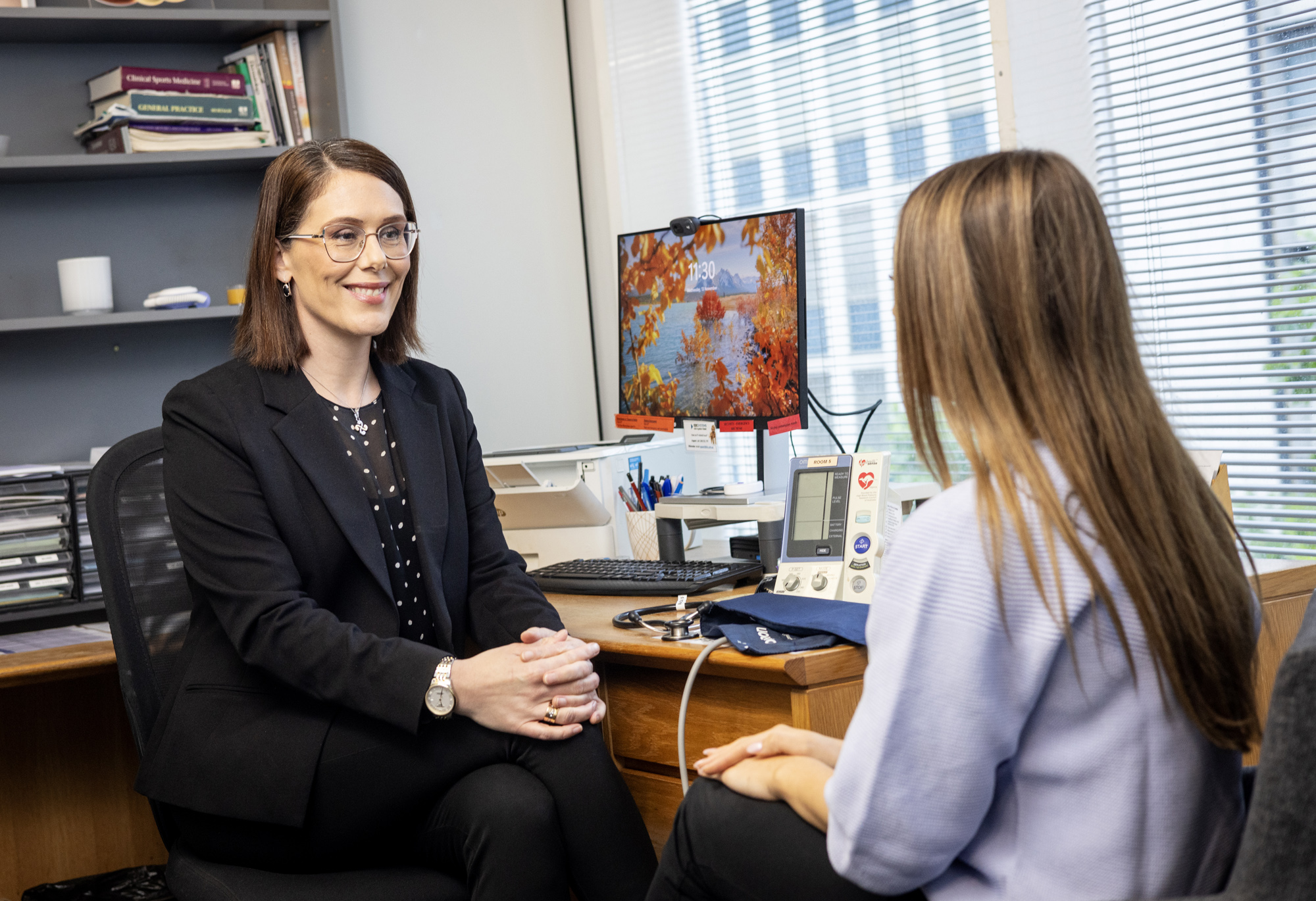
One of the most important aspects of women’s health screening is continuity. A general practitioner consultation is often the central point of coordination for ongoing health monitoring across all life stages.
How GPs support preventative health:
- Establishing baseline health data
- Monitoring changes over time
- Ordering relevant screening tests
- Coordinating referrals to allied health professionals
- Reviewing risk factors based on age and lifestyle
- Supporting mental and emotional wellbeing
Whether it is fertility planning, hormonal changes, chronic condition prevention, or general wellbeing support, a GP ensures that care is structured and consistent. This makes the ongoing preventive health checks women rely on more accessible, structured, and consistent.
Preventative Health Is a Lifelong Investment, Not a One-Time Action
Preventative health checks for women are one of the most powerful yet underused approaches to long-term wellbeing. For many women, health tends to become a background priority. Work demands, family responsibilities, and daily routines often take precedence, and personal health checks are postponed until something feels “serious enough” to act on. The challenge with this approach is that many conditions develop gradually and quietly, without obvious early symptoms.
At Healthcare on Collins in Melbourne, independent practitioners operate within a shared clinical environment that supports this continuity of care. Patients benefit from access to structured consultations in a central CBD location, making it easier to maintain consistent health monitoring over time.
To arrange a preventative health consultation, appointments can be booked through Healthcare on Collins.
Book a preventative health check today
At Healthcare on Collins, our experienced GPs and allied health practitioners provide personalised, evidence-based care for women at every stage of life. Whether you are due for a routine women’s health screening, seeking support for hormonal changes, or simply ready to prioritise your long-term wellbeing, our team is here to help.
Book an appointmentFAQs
Preventative health checks are important because many conditions develop gradually without noticeable symptoms in the early stages. Issues such as hormonal imbalance, high blood pressure, cholesterol changes, thyroid dysfunction, and nutritional deficiencies can exist even when you feel well.
A routine women’s health screening helps identify these changes early, allowing for simpler and more effective management before they progress into more serious concerns.
The frequency of a women’s health screening depends on individual factors such as age, existing health conditions, lifestyle, and risk profile. Certain screenings — such as cervical cancer screening tests or specific blood tests — may have different recommended intervals based on clinical guidelines. Your GP plays a key role in determining the right schedule of preventative health checks for women to follow, ensuring that screening is personalised rather than generic.
A preventative health check is not a single standard test — it is a tailored assessment based on age, risk factors, and health goals. Common components may include:
- Blood pressure measurement
- Blood tests (iron levels, cholesterol, glucose, vitamin levels)
- Thyroid function assessment
- Cervical screening (as recommended)
- Weight and BMI evaluation
- Mental health and wellbeing discussion
- Lifestyle and nutrition review
Preventative healthcare evolves significantly with age. Each stage of life brings different priorities:
- 20s: Establishing baseline health, reproductive health awareness, mental wellbeing, and nutritional status
- 30s: Fertility considerations, thyroid function, stress management, and early cardiovascular risk tracking
- 40s: Hormonal transitions (perimenopause), cholesterol monitoring, bone health awareness, and sleep changes
- 50s+: Menopause management, bone density screening, cardiovascular health, and cognitive wellbeing
Yes. A general practitioner consultation is often the central point of coordination for preventive healthcare. GPs are trained to assess overall health, interpret test results, identify risk factors, and coordinate referrals to allied health professionals when needed.
The advantage of GP-led preventative care is continuity. Over time, a GP can track patterns, identify subtle changes, and adjust care recommendations based on long-term health trends rather than isolated visits. This makes regular women’s health screening more structured, personalised, and effective in supporting long-term wellbeing.