
Physiotherapy for Back Pain
Physiotherapy for Back Pain
Physiotherapy for back pain focuses on restoring movement, reducing discomfort, and improving strength through targeted treatment and exercise. At Healthcare On Collins, there are several experienced physiotherapists delivering physiotherapy for lower back pain, using evidence-based techniques to support recovery. A tailored back pain physio program can help manage pain, prevent recurrence, and improve daily function.
The spine is made up of several levels of vertebrae, beginning with the cervical spine in the neck, followed by the thoracic spine in the middle of the back, the lumbar spine in the lower back, and ending with the sacrum (tailbone).
Between each pair of vertebrae, there are discs that can be a significant source of pain. Additionally, there are joints between each vertebra, and the spinal column also contains spinal nerves that typically exit outside the vertebrae.
Your physiotherapists at Healthcare on Collins provide rehabilitation services for people experiencing back pain, ensuring comprehensive care and support.
Patient Profiles
Physiotherapy services at Healthcare on Collins Melbourne clinic are available for children and adults of all ages. The Physiotherapists cover a wide range of spine injuries, with a focus on prevalent issues, such as:

Cervical Spine (Neck)
- Prolonged sitting-related pain
- Whiplash injuries from car accidents
- Awkward sleeping positions causing pain

Lumbar Spine (Lower Back)
- Prolonged sitting-related discomfort
- Strain from bending to lift objects
Thoracic Spine (Mid Back)
- Postural problems leading to mid-back pain
- Overuse injuries due to repetitive activities
- Muscle imbalances affecting the mid-back region.
Spinal Conditions Explained
To expand upon the general information above, here is more detailed information about the spinal cases supported at Healthcare on Collins:
- Discogenic injuries: These common injuries involve tearing or bulging of discs in the lumbar spine, leading to significant pain.
- Sciatica: Sciatica is a general term that refers to pain that radiates down the leg, usually caused by nerve compression, often due to a lumbar spine disc injury.
- Temporomandibular Joint Dysfunction: TMJ, or jaw pain, can result from stress or repetitive movements and may be related to cervical spine or neck issues.
- Headache/Migraine: Headaches and migraines can be triggered by nerves from the cervical spine, which can refer pain to the head and scalp.
- Lower back/Sacroiliac: These areas are prone to pain, especially with repetitive motions like running and squatting.
Fractures: Common in older individuals due to conditions like osteopenia or osteoporosis. - Neck conditions: Neck conditions often involve postural pain, muscular strains, ligament sprains, joint sprains, and intervertebral disc injuries, typically stemming from poor posture.
- Pregnancy-related issues: During pregnancy, the surrounding tissues (namely the lower back and pelvis) become more elastic, leading to lower back problems. View pelvic floor physiotherapy page to learn more.
- Postoperative/Preoperative rehabilitation: Preoperative rehabilitation focuses on improving muscular strength and stability before surgery for better outcomes, while postoperative rehabilitation helps patients recover after procedures.
The two main surgeries supported include discectomy (disc removal in the lumbar spine) and spinal fusion (the fusion of two vertebrae to reduce movement in the spinal column).

What Does a Spinal Physiotherapist Do?

Initial Assessment
Spinal Physiotherapists evaluate each patient’s condition, taking into account factors such as medical history, lifestyle, and specific symptoms.
This assessment helps understand the nature and extent of the spinal issue, identify areas of concern, and determine the most suitable treatment approach.
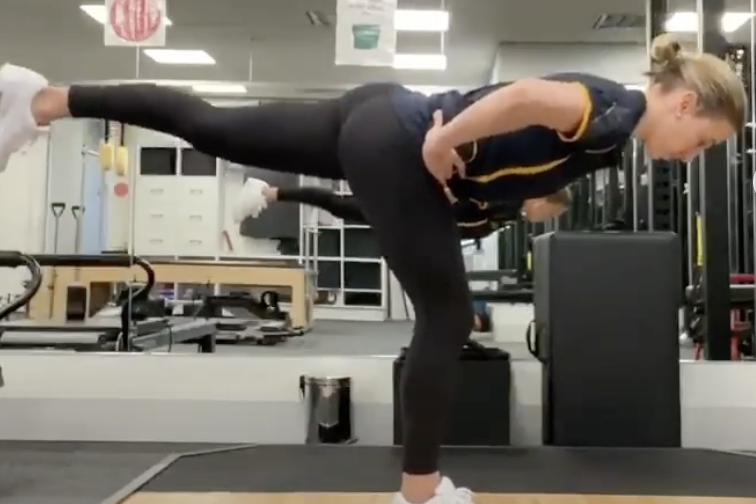
Individual Rehabilitation Plans
Based on the assessment findings, Physiotherapists work closely with the patient to develop a tailored rehabilitation plan.
This plan is designed to address the patient’s unique needs, goals, and challenges.
Whether it is managing pain, improving mobility, or enhancing overall spinal health, the rehabilitation plan outlines a clear path towards recovery.

1:1 Sessions
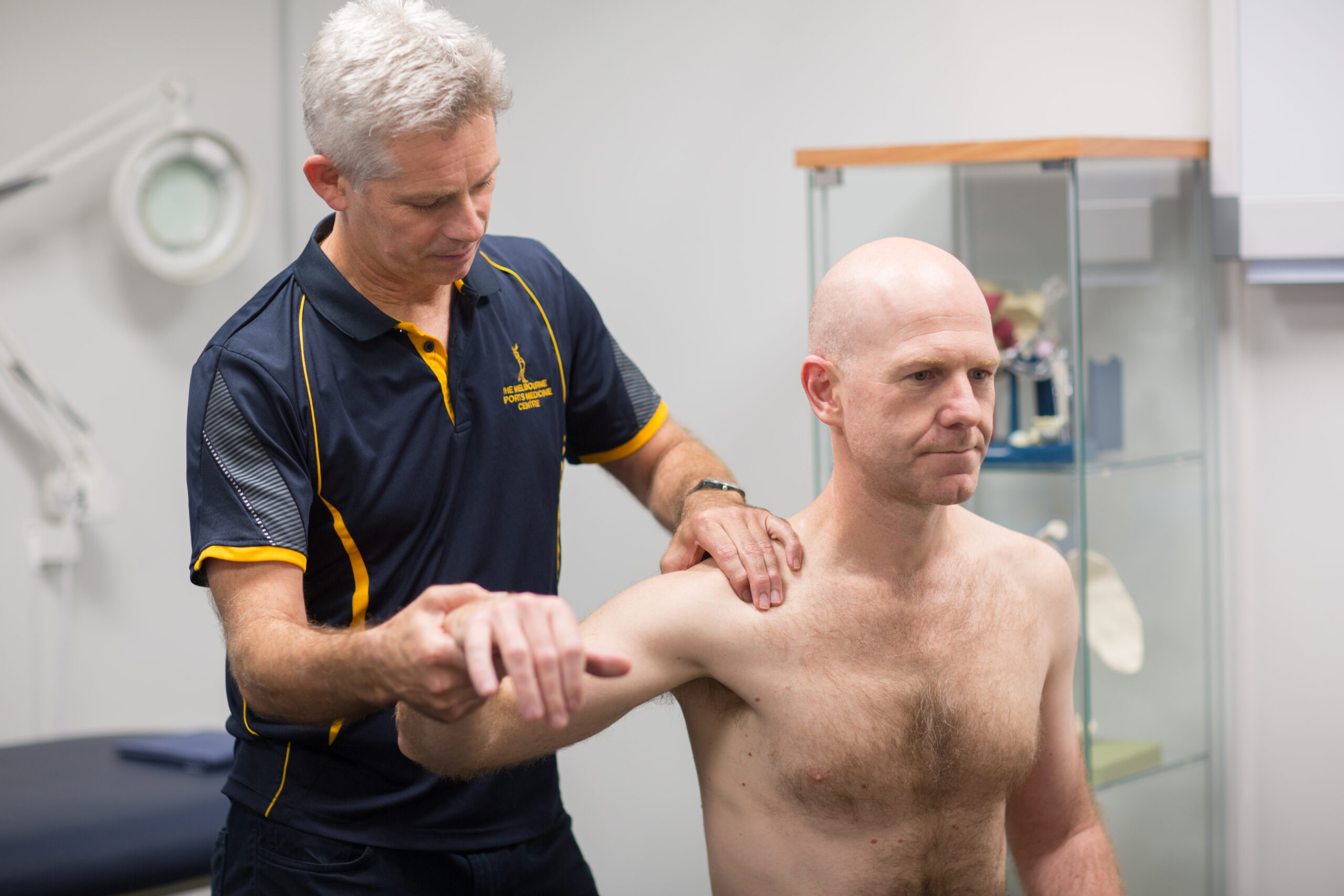
1:1 Physiotherapy is available using the modern equipment found in the clinic.
These sessions may involve a combination of hands-on treatments, exercises, stretches, and education to empower patients with the knowledge and tools they need to manage their spinal condition effectively.
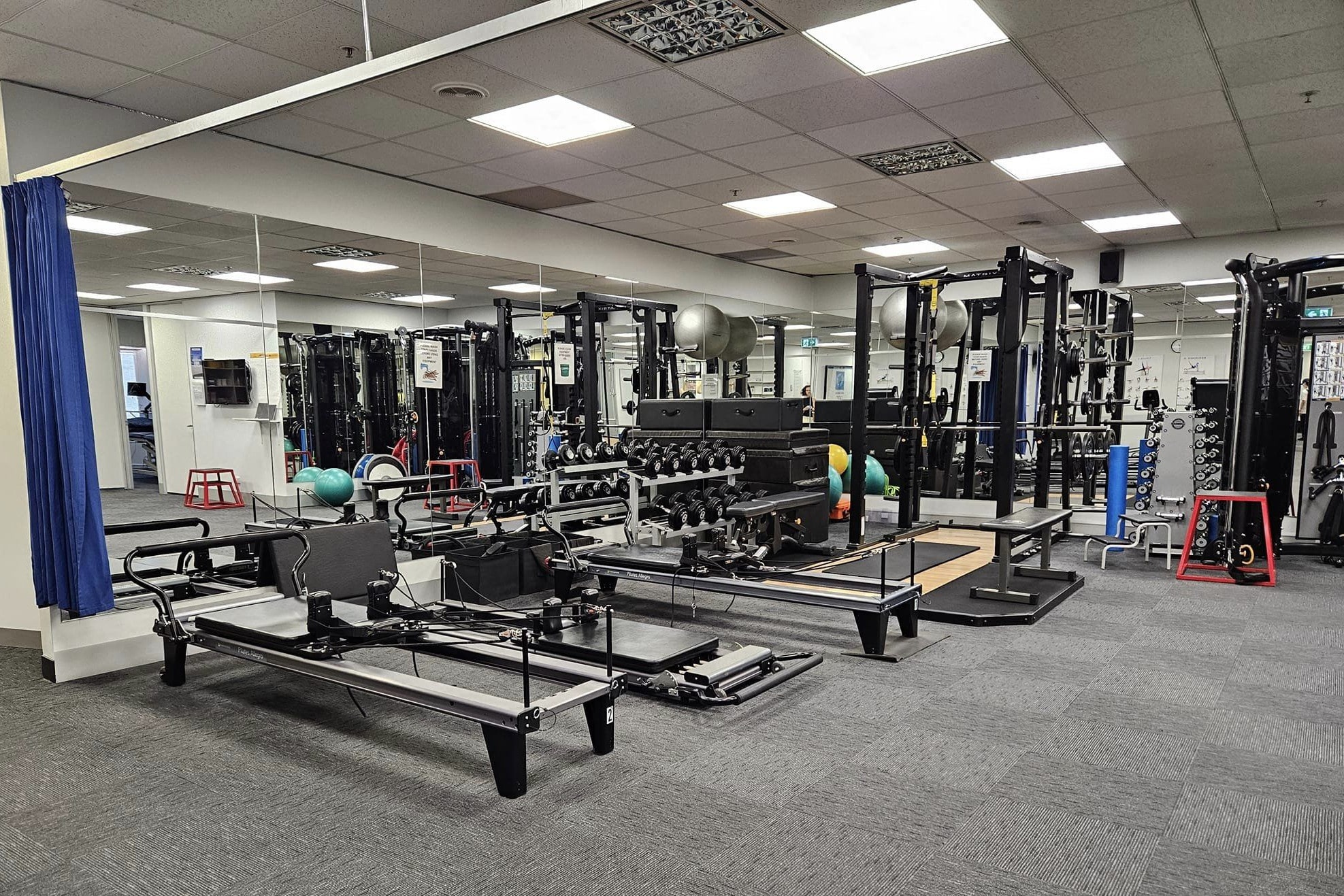
Post-surgery, the focus shifts to appropriate rehabilitation. Patients are guided through exercises that gradually restore mobility and strength while ensuring they avoid movements that could compromise the surgical site.
With clearance from the orthopaedic surgeon, patients can progress to a strengthening program. This program may include activities like Pilates, weight training, hydrotherapy or other customised exercises aimed at enhancing outcomes.
Why Choose Us?
- Experienced physiotherapists specialising in physio for back pain
- Evidence-based physiotherapy for back pain programs
- Individual treatment plans tailored to your condition
- Access to a modern rehabilitation gym with Pilates equipment
- Collaborative care with GPs and medical specialists
- Convenient Melbourne CBD location
- Focus on long-term outcomes and injury prevention
Getting Started With Healthcare on Collins
The advantage of the physiotherapists consulting at Healthcare on Collins is that they look at the full spectrum of someone’s injury or concern. In terms of patients with back problems, they offer
- ✔ Comprehensive assessment and treatments
- ✔ Helping people progress to their previous injury status
- ✔ Able to refer to other consultants within the clinic, namely podiatrists, dieticians and GPs
- ✔ Offer a physiotherapist who is highly experienced in spinal conditions (view the physiotherapists here)
To make a booking, please use one of the buttons below.
Call Us
(03) 9650 4284

FAQ
If my back pain relates to posture or workplace ergonomics, what advice do you have?
The key is to thoroughly evaluate your workstation. There are a few approaches to achieve this.
- It can be helpful for you to take photos from a side profile and from behind while you are working and then share these with the physiotherapist for assessment
- Another option is to collaborate with the health and safety department. This way, they can engage in a discussion about the optimal workstation setup and how it aligns with your needs
- Healthcare on Collins can write a letter of recommendation or contact the employer as appropriate
This ensures effective communication among the practitioner, physiotherapist, and potentially the workplace coordinator in cases of injuries.
I've started experiencing back pain. Should I consult a Physiotherapist or GP at Healthcare on Collins?
One of the great advantages of seeing the practitioners at Healthcare on Collin is their extensive expertise in their respective fields. When you contact to book an appointment, the friendly administration will guide you.
- In cases where you are experiencing severe lower back pain, it is often advisable to seek medical attention from a doctor, as the prescription of medication may be the most suitable option.
- In other cases, if you are functioning without significant discomfort, consulting a physiotherapist is often recommended.
How does ageing relate to back pain?
With age, the tendency to lean or stoop forward becomes more common. This forward-leaning posture places increased stress on joints and bones, leading to the development of conditions like osteoarthritis, also known as wear and tear, which can result in significant back pain.