

Dynamo
What is a Dynamo?
DynaMo is a handheld dynamometer and inclinometer system designed for assessing patients’ strength and range of motion (ROM) across various joints in the body.
It combines tension and compression force measurement, dedicated grip measurement, and inertial measurement.
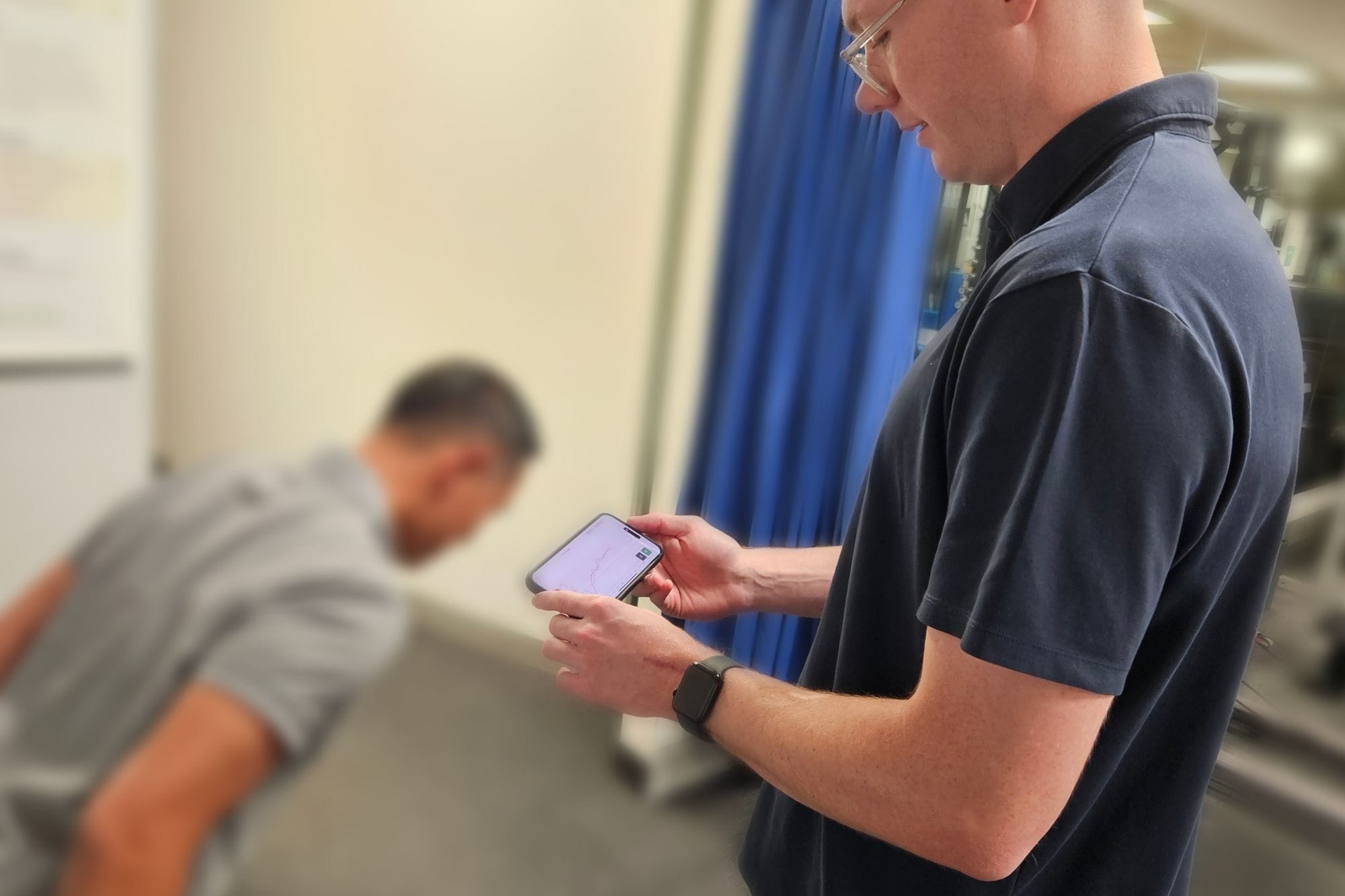
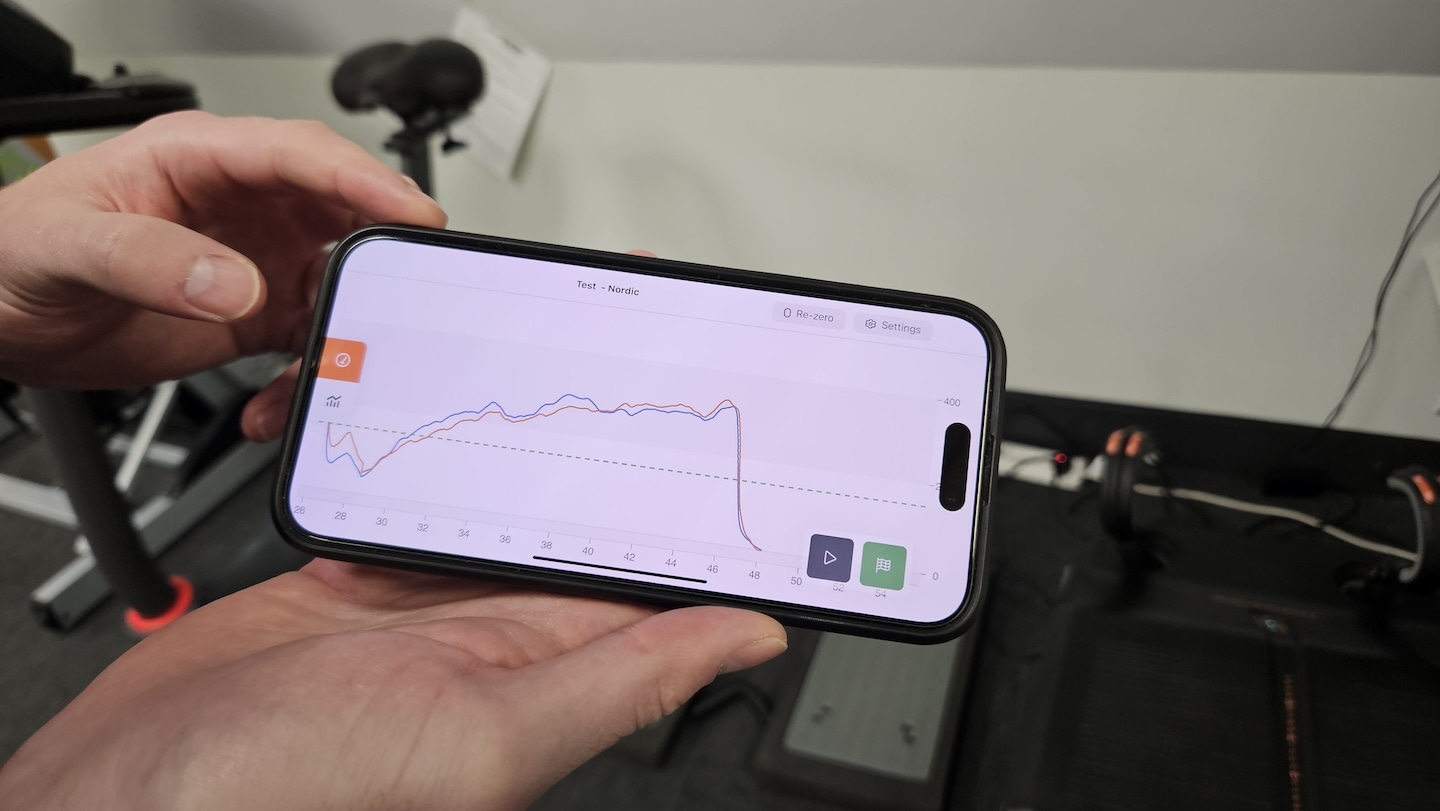
At Healthcare on Collins, your Physiotherapists utilise the DynaMo due to its ability to enhance patient engagement through real-time visualisations and gamified assessments. Additionally, it streamlines workflow and automates result logging, making the assessment process more efficient.


Why Do Physios Use the DynaMo?
Not only is it helpful to know the precise amount of force your muscles can produce, but the DynaMo can help to isolate the specific muscles that are deficient.
For example, if you are suffering from knee pain (a joint with a lot of muscle groups involved), the DynaMo can identify whether the issue is in the knee itself or whether there are obvious weaknesses in your hip or external rotation.
Based on DynaMo-generated data, physiotherapists can design personalised exercise regimens. The Dynamo can be used to assess your progress a few weeks into your plan and whether any adjustments should be made. Quantitative data is extremely useful in strategising for linear progression in performance.
What Can the Dynamo Measure?
Although comparatively speaking, the DynaMo is quite a small device, it can measure the performance of muscle groups around the following joints:
- Hips
- Shoulders
- Knees
- Ankles
- Elbows
- Hands and wrist (grip strength)
How Does the DynaMo Measure These Muscle Groups?
Depending on the problem being presented, your physiotherapist can fit various attachments and apparatuses to the DynaMo to measure muscle strength.
The sensor in the dynamo is a “compression force sensor and inertial sensor.” It’s a specialised component in DynaMo, measuring compression forces and changes in acceleration, orientation, and rotation.
Patient movements might involve pulling on a rope (tension measurement), squeezing an attachment (compression measurement) or pressing an attachment with your hands/feet (compression measurement).
Regardless of the particular movement, the DynaMo can detect the amount of force travelling through the apparatus to provide an accurate measurement.
Common Uses of the DynaMo
Generally speaking, DynaMo measurements are used frequently for patients with hip, knee and shoulder pain.
For example, monitoring recovery from a shoulder dislocation requires a precise measurement of external rotation strength, best provided by a dynamometer.
Being able to isolate a patient’s muscle deficiency gives you something concrete to work towards and allows your physiotherapist to accurately measure your progress.
Booking Physiotherapy Appointments
A referral is not required to see a Physiotherapist.
Physiotherapy consultations may be covered under your Private Health Insurance. Please check with your private insurer to see if you are covered for part payment of your consultations. Please ensure you bring your membership card to your appointment if this applies to you.
Should you have a chronic health condition for which Physiotherapy would be of benefit, you may qualify for a rebate under a Medicare Team Care Arrangement. Please consult your General Practitioner if this applies to you.
To arrange an appointment to see one of our Physiotherapists please phone (03) 9650 4284 or book here.